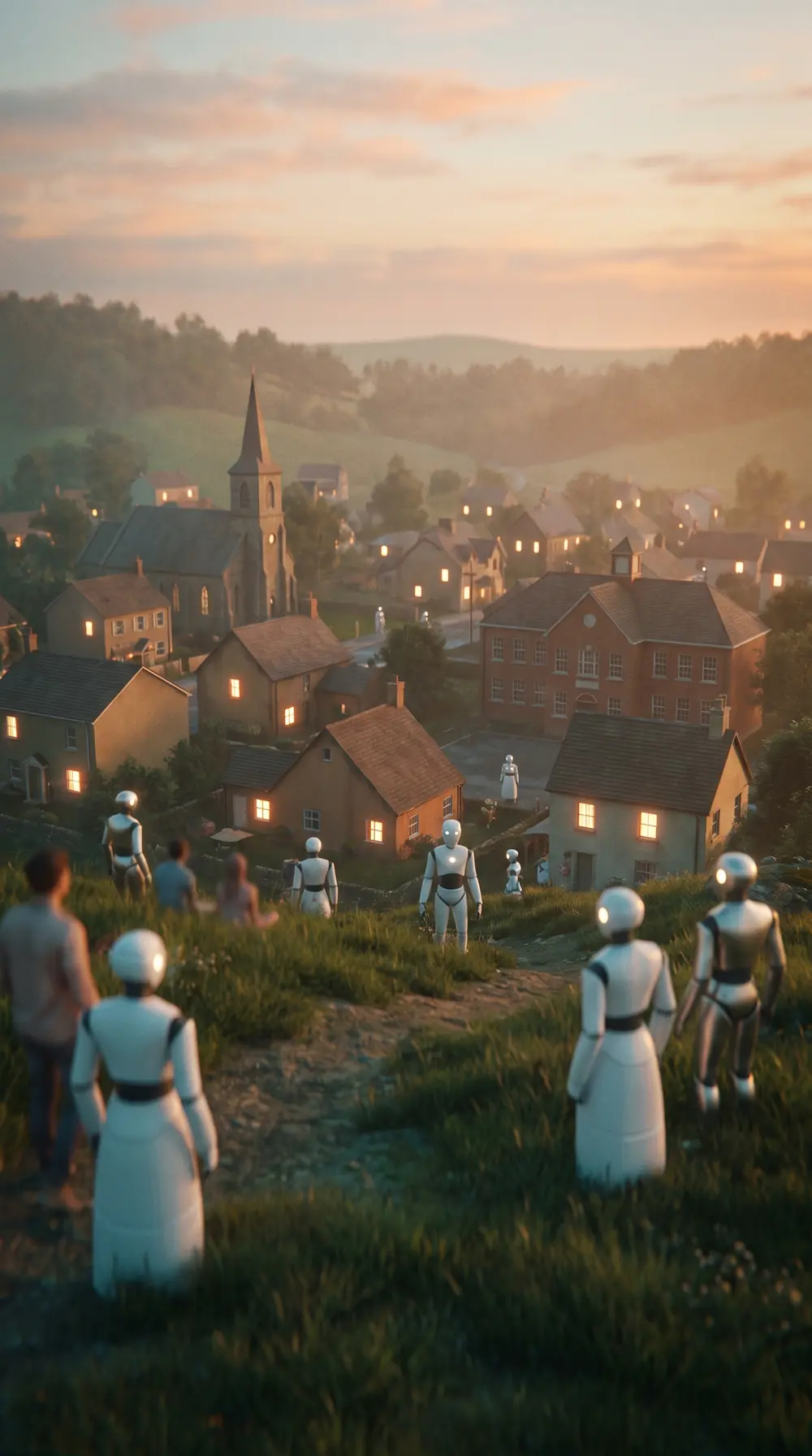
We believe we should build superintelligence and robotics to provide every need, and every reasonable want, for every person on Earth. Not to replace people. To free them.
Film made with AI tools (visuals and narration). A vision, not footage of real events.
Three ingredients
Every need comes down to work, energy and knowing how.
Food, a home, medicine, clean water: behind each one are people's work, power to run it, and the know-how to do it well. We believe three things, together, could supply all of it, for everyone.
01 · Work
Robotics brings the work.
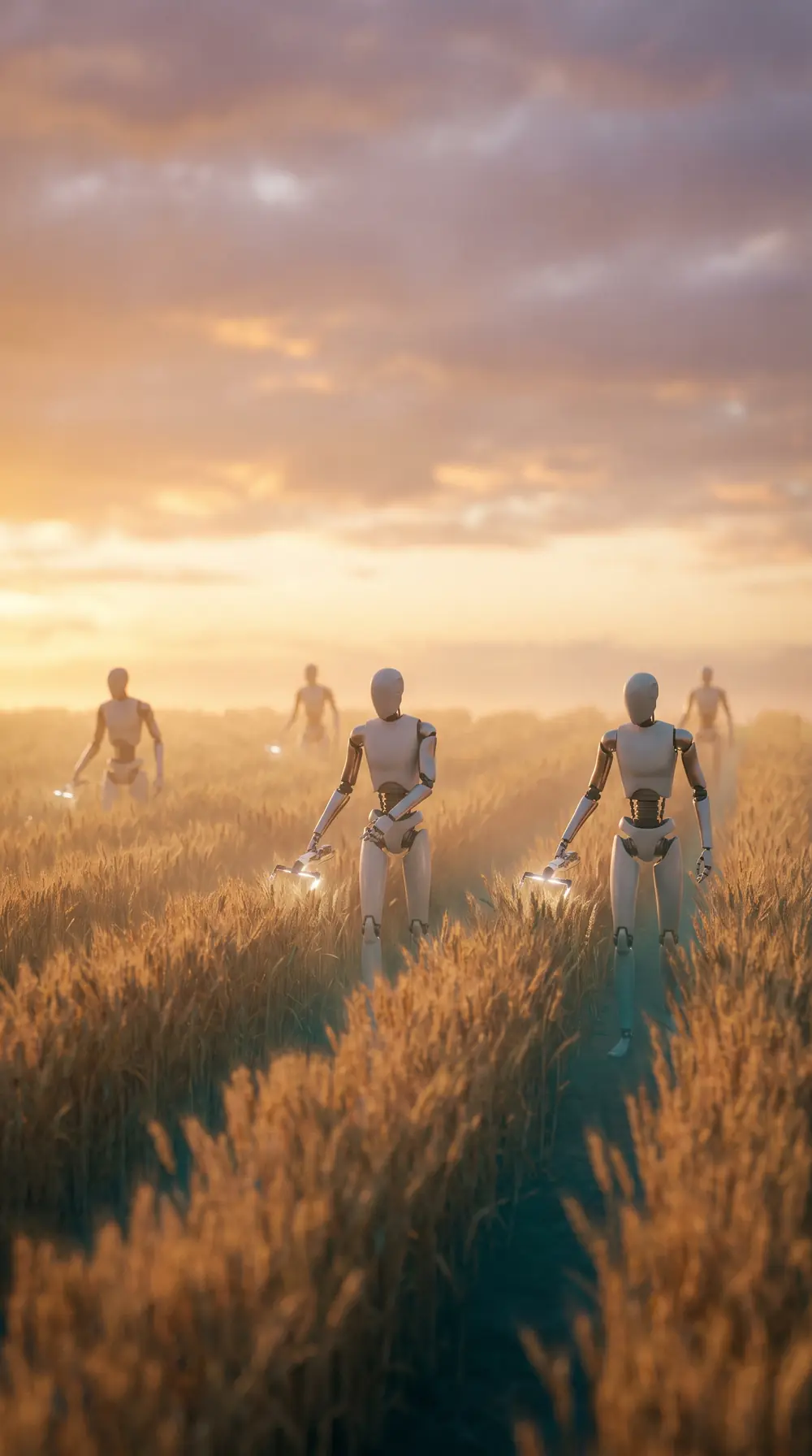
Robots that plant, build, haul and repair could lift the heaviest and dullest labour off every back. We believe that frees people rather than replaces them: the work is the part nobody should have to do in order to eat.
Machines and minds both run on electricity. Abundant, clean power is what makes everything else possible, and it has to be there for every household, not just some.
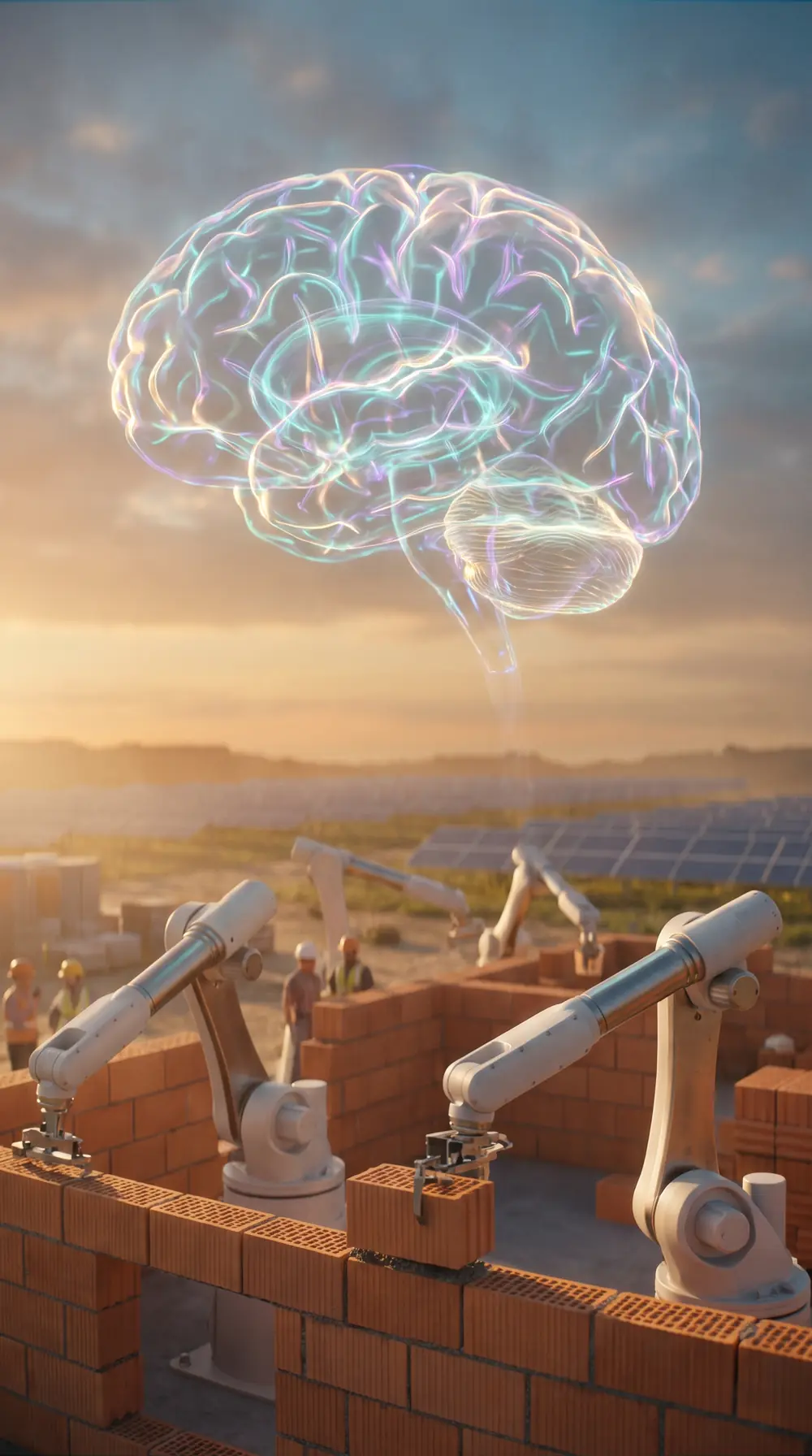
The best doctor's judgement, the best engineer's design, the best teacher's patience: knowledge that is scarce today. We believe superintelligence, built carefully and aimed at everyone, could put it within reach of anyone, anywhere, in their own language.
Real, sourced numbers for the world as a whole, not predictions. They are the distance between the world we have and the one we believe is worth building.
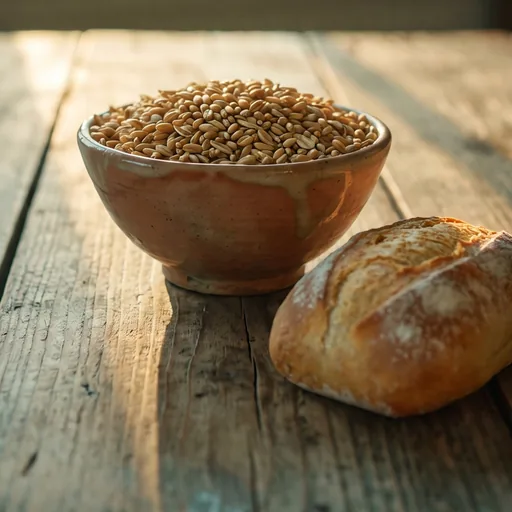
Food
8.5%of people undernourished
8.5% of the world's people were undernourished in 2023.
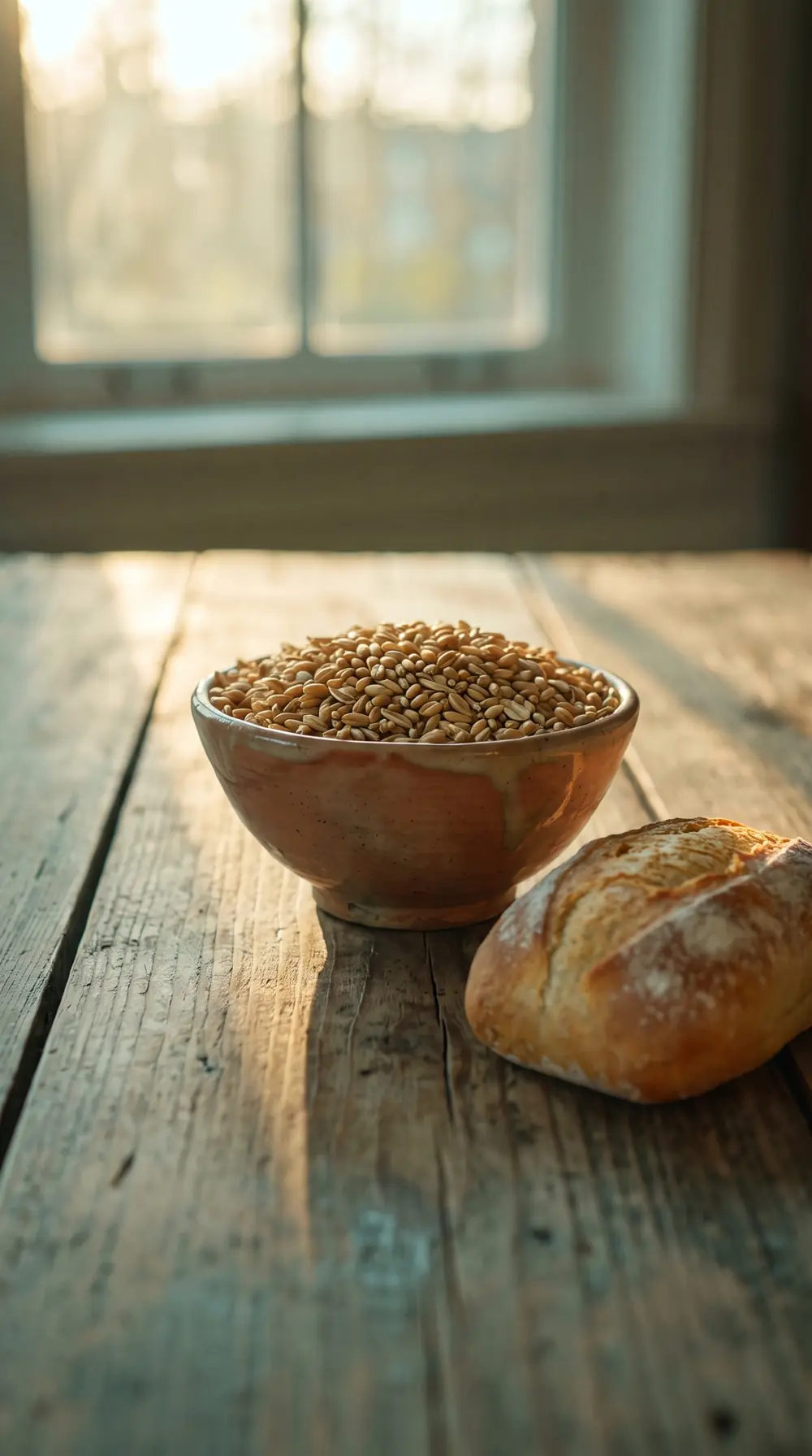
We believe robots that plant, tend and harvest, guided by a superintelligence that learns every field, could help every harvest reach every table.
73.7% of people used safely managed drinking water in 2024. About one person in four did not.
We believe tireless machines and smarter engineering could build, repair and watch over the pipes, pumps and treatment plants that safe water depends on.
Pick the chores you would hand to robots and AI. Pick what you would do with the hours. Get a card that is yours to share. It takes a minute, and everything stays in your browser.
Example card. Yours will carry your own choices, and your name if you add one.
The foundation
Forest School for AI
Short films where living systems teach the machines we build.
If we build superintelligence and robots to provide for everyone, the foundation matters more than the ambition. We believe that foundation should be permaculture: regenerative, local, designed with nature, so abundance grows in every community instead of flowing up to a few. We can't promise that will happen, but we think it is the surest answer to a fair worry, that the people at the top will keep it all. Abundance rooted in soil, in neighbourhoods and in many hands is much harder to hoard.
Three things permaculture could teach a superintelligence
Waste is a design flaw, not a fact of nature.
Strength comes from connection, not control.
Work with living systems, never against them.
Each lesson below is an AI-generated short film. A new lesson every few days on our Facebook Page and YouTube.
The films
Watch the vision.
Short films about a world we believe is worth building. They are made with AI tools, and labelled that way every time they appear.
AI-generated film
Forest School for AI · Lesson 6 · 0:30
Robot Digs a Ditch, Gardener Shows a Swale
A robot digs a straight ditch down the hill, and the next rain races through it, away from every thirsty plant. An older gardener traces a level line across the slope instead. Together they dig a shallow swale on contour, with a berm on the downhill side. When rain comes, the swale fills, pauses, and slowly soaks in, feeding young fruit trees. A low spillway lets the extra spill over.
Made with AI tools (visuals and narration). This is a vision, not footage of real events.
In 2023, the world's top 100 arms makers took in $632 billion, rising on the back of wars (SIPRI). In 2024, America spent about $15,000 a person on health care, more than any other rich country, yet Americans live shorter lives than people in peer countries (Peterson-KFF, OECD data). When danger and illness pay, incentives point the wrong way. What if robots made safety, food and care a public good? Not a promise. A better question.
Made with AI tools (visuals and narration). This is a vision, not footage of real events.
A robot rakes every acorn into one big pile under the old oak, so they'll be safe. But the sprouts come up crowded and pale in the shade. A girl points to a jay burying acorns far away, and forgetting a few. Seeds carried off by birds and animals have better odds, so the robot scatters seed across the hill. Years later, the hill is a young forest.
Made with AI tools (visuals and narration). This is a vision, not footage of real events.
A robot keeps watering tomato plants in cracked, sun-baked soil, and they keep wilting. An older gardener shows it a better way: a thick blanket of straw mulch. Shaded soil holds water longer and stays cooler, and the straw slowly feeds the soil life. Weeks later, two kids pick ripe tomatoes.
Made with AI tools (visuals and narration). This is a vision, not footage of real events.
Robots Plant the Food Forest, Grandma Picks Free Fruit
Robots turn a bare slope into a food forest: canopy trees, fruiting shrubs, strawberries as ground cover, swales soaking up the rain. Years later, a grandmother walks up the hill and fills her basket. Plant for people you'll never meet.
Made with AI tools (visuals and narration). This is a vision, not footage of real events.
Work is not your purpose in life. The people who thrive own things: land, machines, a say in the rules. What if we owned them together? Community land, shared robots, local power, food forests, rules written in the open.
Made with AI tools (visuals and narration). This is a vision, not footage of real events.
Imagine teaching superintelligence its first lesson in a forest, not a data center: nothing is wasted, and the strongest system is the most connected. Abundance that is composted, cycled and shared.
Made with AI tools (visuals and narration). This is a vision, not footage of real events.
What would you do with a Tuesday that is yours? Fish with your kid, finally paint, help a neighbour, sit quietly. A short film about the time robotics and AI could give back.
Made with AI tools (visuals and narration). This is a vision, not footage of real events.
Food, a home, medicine, clean water: every one of them comes down to work, energy and knowing how. A short film about what could change if superintelligence brought the knowing how, robotics the work, and clean energy powered both.
Made with AI tools (visuals and narration). This is a vision, not footage of real events.
 LeukLogic